Gerrhonotus infernalis
Scientific name. Gerrhonotus infernalis
Common Name. Texas Alligator Lizard
General information. Gerrhonotus infernalis is a diurnal lizard with slow and calculated movements. Gerrhonotus infernalis feeds on insects, spiders, and small vertebrates. When threatened, it may inflate itself in defense.
Protected status. The Texas Alligator Lizard is not a protected species in Texas and can be legally collected with a hunting license.
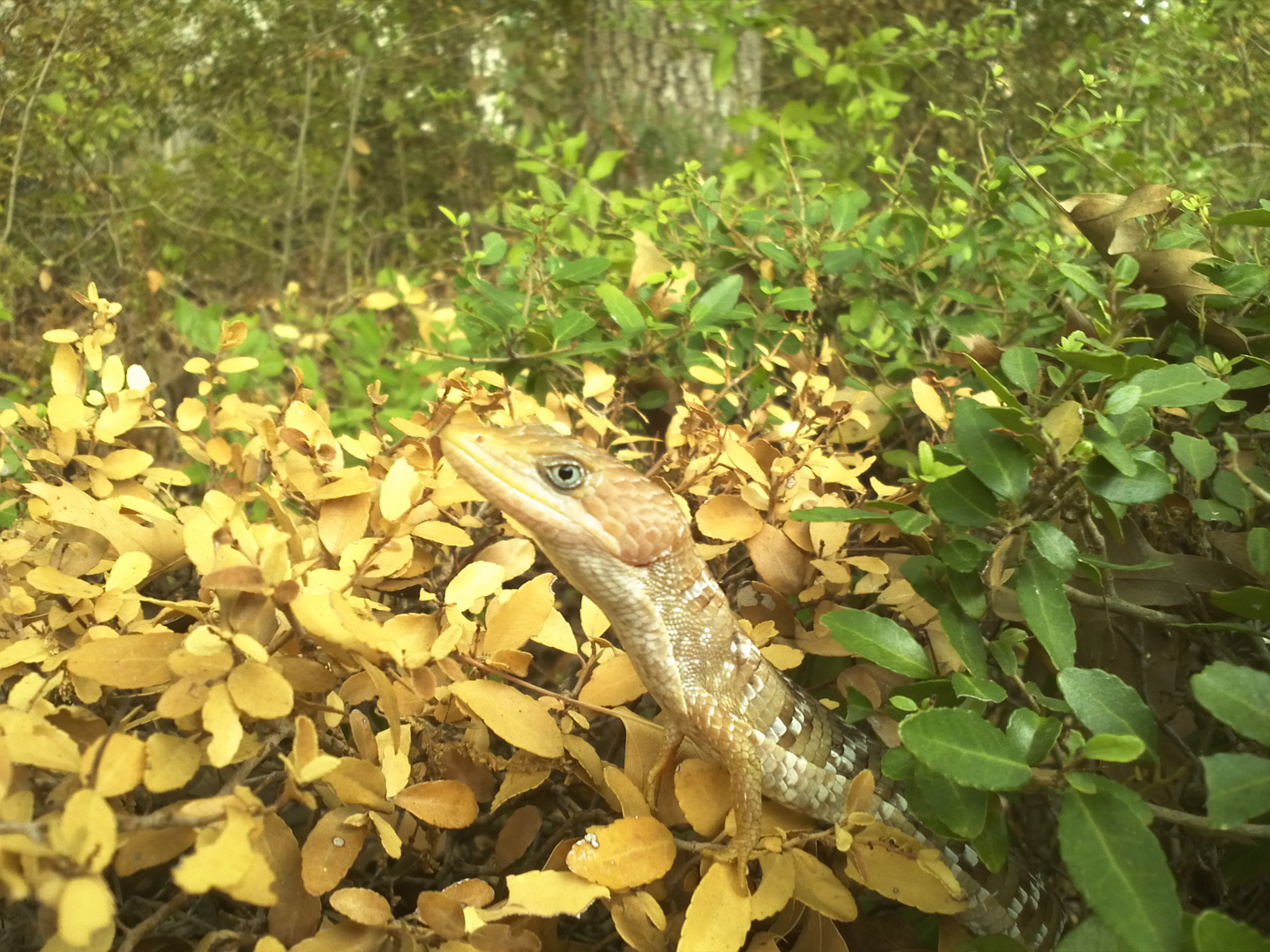
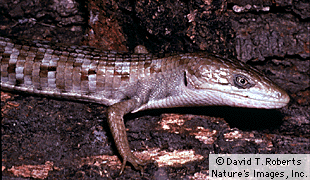
Diagnostic features. Stiff lizard with large, platelike scales. Lateral grooves Strong tail, somewhat prehensile. Small, weak legs Yellow eyes with closable eyelids. External ear openings visible.
Coloration. Varies from ruddy yellow to reddish brown with dark cross-hatches on dorsal surface. Head and legs lighter and unmarked. Pale grey ventral surface.
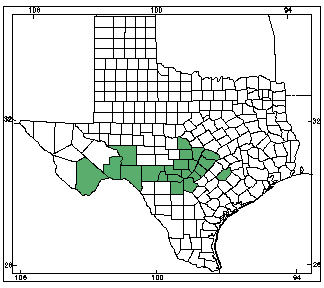
General distribution. In North America, Gerrhonotus infernalis has a broad range in a band from the Edwards Plateau region of Texas west and south through Central Mexico.
Texas distribution. In Texas, Gerrhonotus infernalis is found in a band from Central Texas to the Big Bend area.
Habitat. Gerrhonotus infernalis can be found on rocky hillsides and wooded canyons.
Reproduction. Breeding and reproduction occur throughout the year in Gerrhonotus infernalis. Female egg brooding is exhibited.
Size. Adult Gerrhonotus infernalis can reach a total length of 25-50 cm (10-20 in).
Map. Map is based on museum voucher specimens; last updated 12 November 2014.