Sceloporus consobrinus
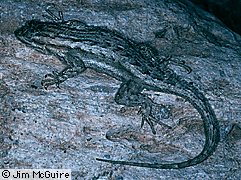
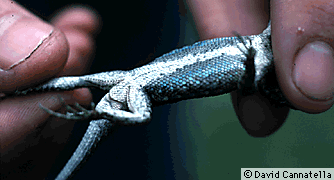
Scientific name. Sceloporus consobrinus
Common Name. Prairie Lizard
General information. Sceloporus cowlesi is a diurnal insectivorus predator. Primarily terrestrial, found in open prairies as well as rocky slopes
Protected status. The Prairie Lizard is not a protected species in Texas and can be legally collected with a hunting license.
Diagnostic features. Long tail, up to 1 1/2 times the head-body length There are no diagnostic characters to distinguish this species from Sceloporus cowlesi
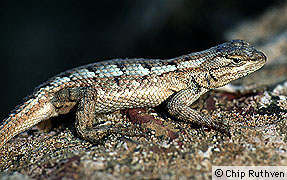
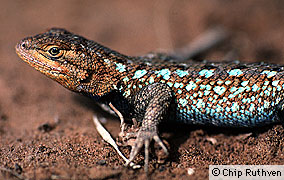
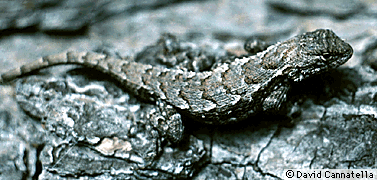
Coloration. They typically have light (sometimes bold) longitudinal stripes running the length of their body, with a middorsal brown stripe, a bold dorsolateral stripes, and light lateral stripes. Can also have dark bars or spots across the lighter longitudinal stripes.
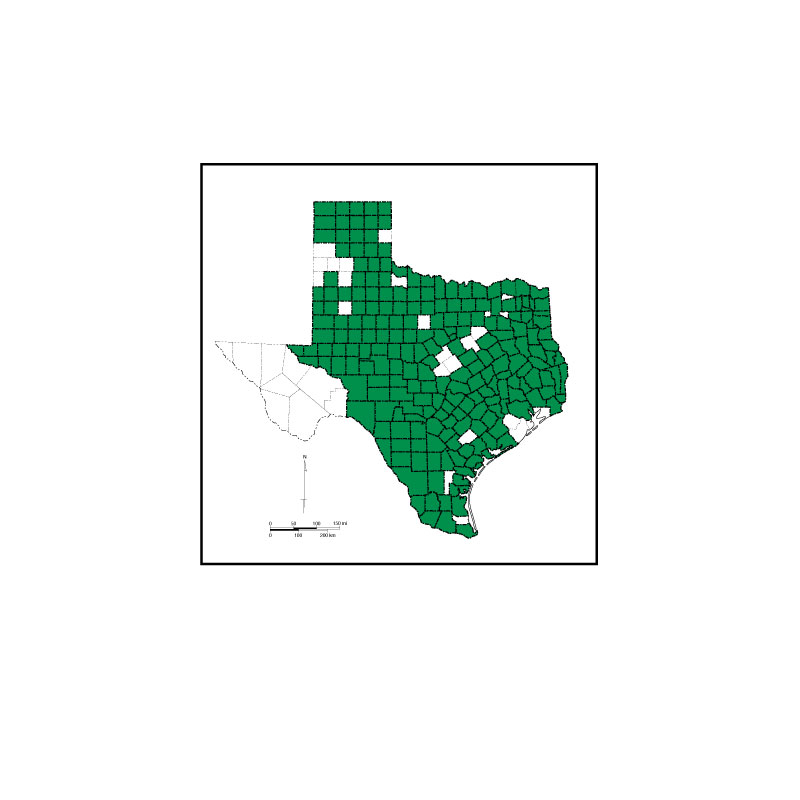
General distribution. In North America, Sceloporus consobrinus is found across much of the Great Plains, from Texas to Nebraska, eastern New Mexico and Colorado to Mississippi and Illinois.
Texas distribution. In Texas, the Prairie Lizard is found east of the Pecos River, throughout the Panhandle and North Texas, and much of east Texas north of Harris County.
Habitat. Habitats include sandy areas, open prairied, rocky slopes
Reproduction. Sceloporus cowlesi breeds in spring and summer. More mature females may lay 1–3 egg clutches per year, averaging 5–6 eggs per clutch.
Size. Sceloporus consobrinus reach body lengths up to 7.5 cm (3 in) and total lengths, including tail, of 9–17.5 cm (3.5–7 in).
Map. Orange counties indicate new county records since previous Herps of Texas update in 1998; all other colored counties reflect known distribution prior to 1998 for species and/or subspecies. Map is based on museum voucher specimens.